Bringing home a puppy is one of life’s most exciting moments. That adorable face, those tiny paws, and the playful energy are irresistible. But soon, reality hits. Your shoes are chewed, your hands are covered in nibbles, and your new furry friend seems to have no idea where the bathroom is.
Sound familiar?
Whether this is your first puppy or you’re trying to do things better than last time, training doesn’t need to be confusing or frustrating. In fact, most puppy training struggles come down to a few simple and very common mistakes.
In this guide, we’ll walk you through seven mistakes that almost every new pet parent makes during training. More importantly, we’ll show you exactly how to fix them using kind, effective, and beginner-friendly techniques.
1. Waiting Too Long to Start Training
Many people believe puppies are too young to understand training, so they put it off until their dog is older. This is one of the most common missteps.
The truth is, puppies begin learning the moment they come home. The earlier you begin showing them structure and expectations, the better.
Start with simple commands like “sit,” name recall, crate introduction, and potty training. Even an eight-week-old puppy is capable of learning with the right motivation.
Helpful tools:
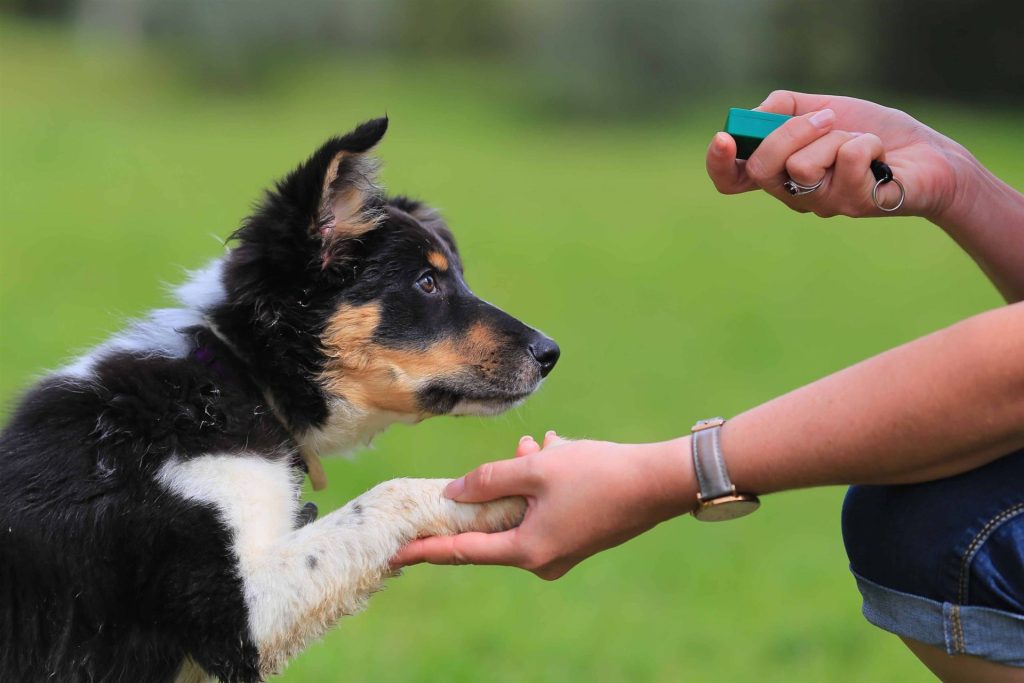
A clicker and small, soft treats are perfect for short and fun training sessions.
Recommended: Pet Training Clicker with Wrist Strap
Try this course: Brain Training for Dogs – Online course
2. Inconsistent Commands
One day you say “off,” the next day it’s “down.” Your puppy is not being stubborn, they are just confused.
Dogs need consistency. Use the same words for the same actions every time, and make sure everyone in your home uses the same cues.
Pro Tip: Write a short “command list” and stick it on the fridge so the whole family stays on the same page.
3. Using Punishment Instead of Positive Reinforcement
Yelling, scolding, or punishing your puppy after they do something wrong does not teach them what to do. It only builds fear and anxiety.
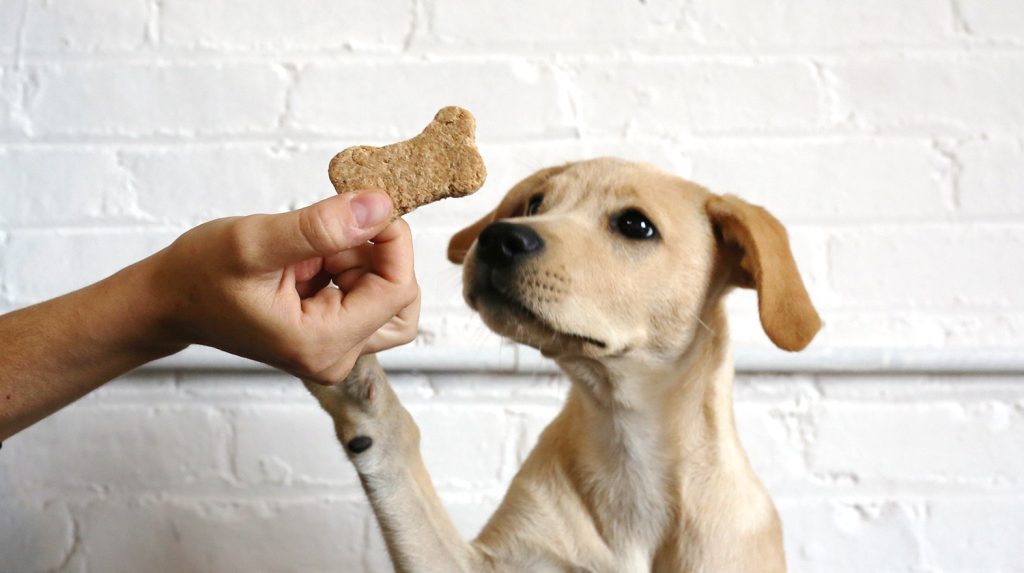
Instead, focus on what your puppy is doing right and reward that. Training works best when your pet feels confident and encouraged.
Recommended: Wellness Puppy Treats
Try this course: Brain Training for Dogs – Online course
4. Delaying Socialization
It’s easy to forget that training also includes getting your puppy comfortable with the world around them.
Expose your puppy to different environments, surfaces, people, and sounds during their first 16 weeks. Socialization builds confidence and helps prevent anxiety later in life.
You don’t need to visit dog parks right away. Short car rides, vacuum cleaner noise, and meeting calm friends are great first steps.
5. Accidentally Reinforcing Bad Behavior
You come home, your puppy jumps up and you laugh and give them attention. Now they think jumping is good.
Puppies repeat behaviors that get a response. That includes both positive and negative attention.
Instead, ignore jumping or whining and reward calm behavior. Give treats and praise when all four paws are on the ground.
Suggested product: rabbitgoo Dog No-Pull Harness

6. Overdoing It with Long Training Sessions
Puppies have short attention spans. Training sessions that last too long can lead to boredom or frustration.
Keep sessions between five and ten minutes. Make it fun, upbeat, and always end with something your puppy succeeds at.
Helpful tools: Puzzle toys and treat-dispensing balls keep learning fun.
Recommended: Interactive, Mentally Stimulating Puzzle Toy
7. Expecting Perfect Results Too Soon
Some dogs catch on quickly. Others take time. Getting frustrated will only slow things down.
Training is not about perfection. It’s about consistency. Celebrate the small wins. Each correct sit or successful crate night is a step forward.
Keep a small training journal to track progress and stay encouraged.
Quick recap:
- Start training as early as possible
- Use the same commands every time
- Focus on positive reinforcement
- Socialize your puppy early and safely
- Don’t accidentally reward unwanted behavior
- Keep training sessions short and fun
- Be patient and consistent
Helpful tools to get started:
- Clicker for positive reinforcement
- Small, soft training treats
- Adjustable crate with divider
- Puppy training course
Final Thoughts
Training your puppy doesn’t have to be overwhelming. Yes, there will be messes. Yes, they will test your patience. But with the right approach and helpful tools, you’ll be amazed how quickly your little companion starts to understand the rules.
Stick with it, stay kind, and enjoy the journey. You’re not just training a dog, you’re building a bond that will last a lifetime.
Affiliate Disclosure
This post may contain affiliate links. That means we may earn a small commission if you purchase through one of these links, at no extra cost to you. We only recommend products we genuinely trust and believe will help pet parents like you. Thank you for supporting TameTales.com!