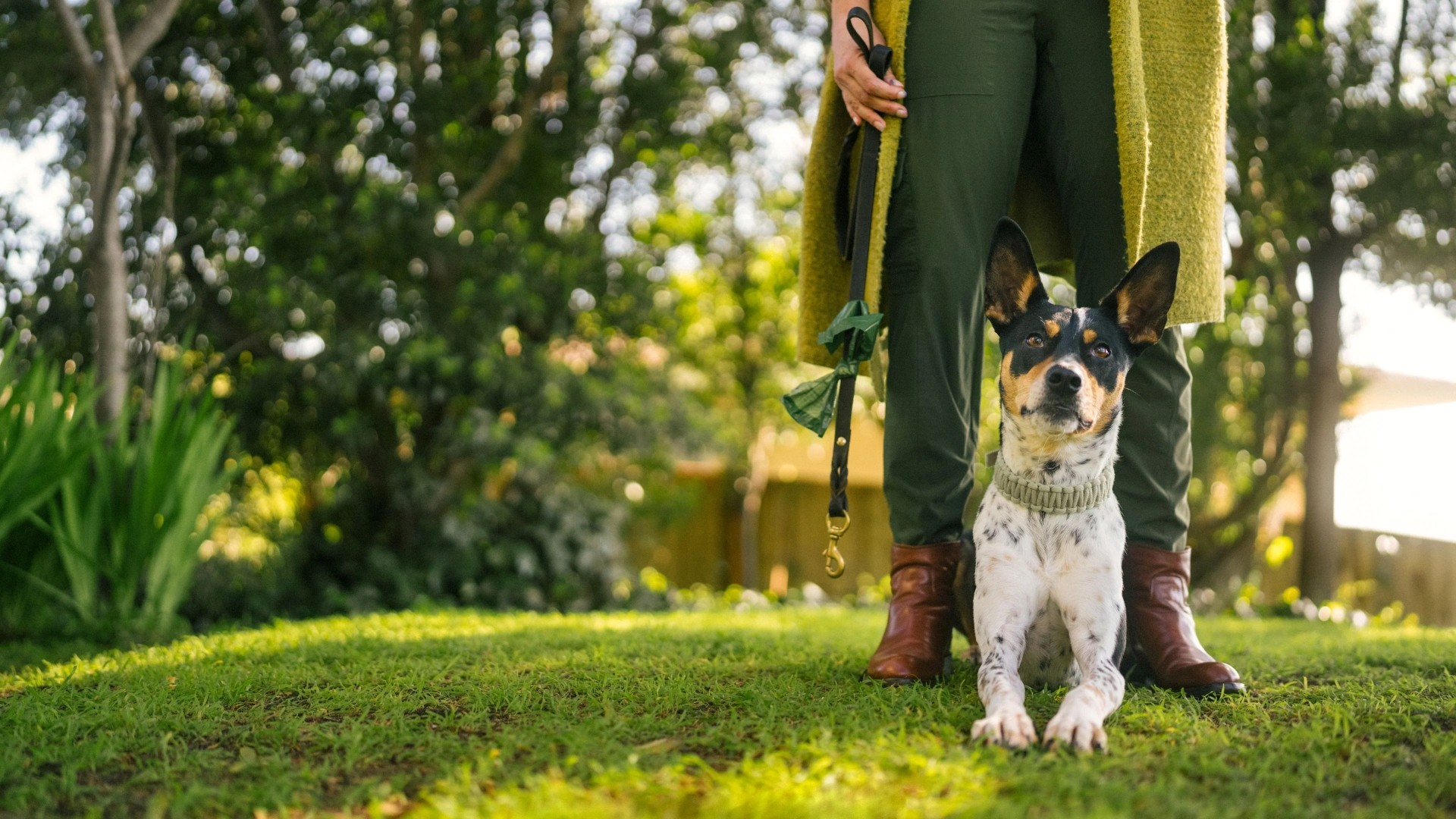
So you got a puppy. You’re sleep-deprived, covered in paw prints, and questioning all your life choices.
Now someone’s telling you to put your adorable little floof into a cage? 😱
Don’t worry, you’re not a monster. Crate training, when done right, is one of the kindest, safest, and most effective ways to help your puppy feel secure and learn boundaries.
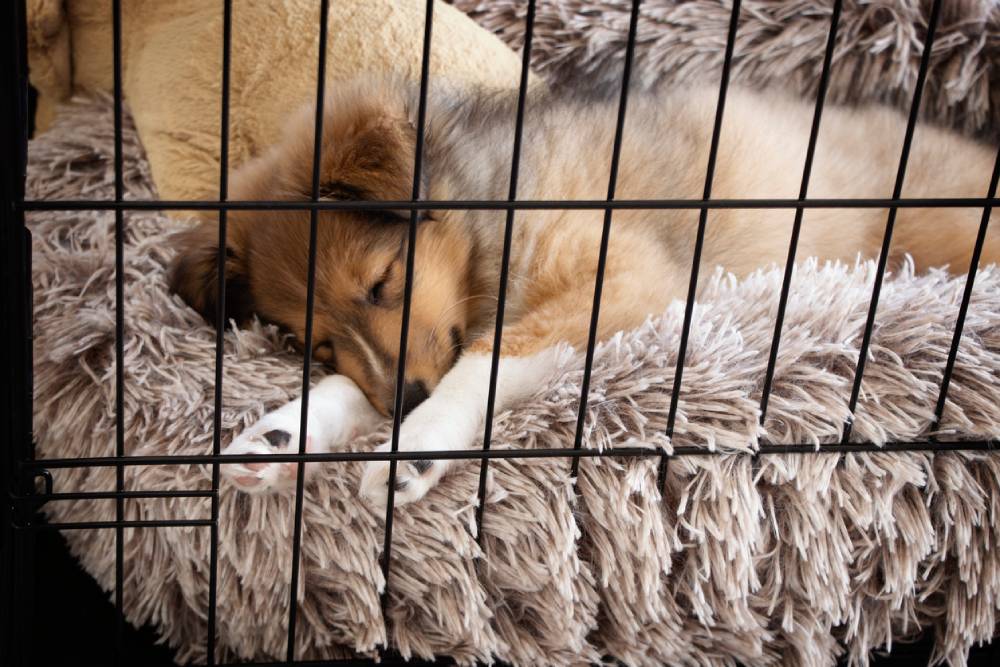
Dogs are den animals by nature. A crate, when introduced properly, becomes their little cave of calm — not a doggy prison.
In this guide, we’ll show you how to crate train your puppy step-by-step, avoid common mistakes, and turn that crate into your pup’s favorite chill zone.
1. Why Crate Training Isn’t Cruel
Crate training is like giving your pup their own bedroom. It provides safety, structure, and reduces anxiety when introduced the right way.
Benefits include:
- Speeds up potty training
- Prevents destructive behavior when unsupervised
- Helps with travel and vet visits
- Encourages self-soothing and independence
2. Choose the Right Crate
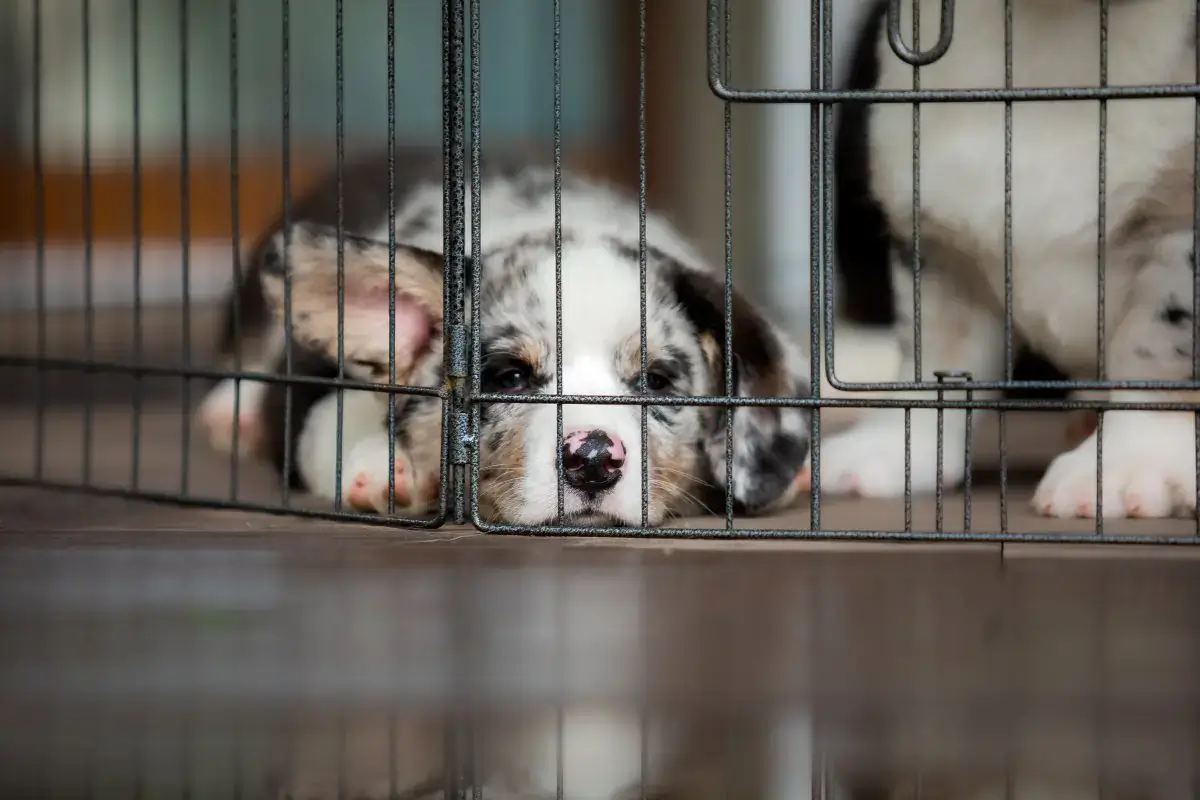
Your pup should be able to stand up, turn around, and lie down comfortably inside. Too big, and they may potty inside. Too small, and it becomes uncomfortable.
Types of crates:
- Wire crates (great ventilation and visibility)
- Plastic crates (better for travel or anxious dogs)
- Soft-sided crates (portable but not chew-proof)
MidWest iCrate – Popular wire crate with divider and tray for growing pups.
Petmate Sky Kennel – Airline-approved and super secure.
3. Make the Crate a Happy Place
Don’t just toss your puppy inside and hope for the best. Create positive associations with toys, treats, and cozy bedding.
- Feed meals inside the crate
- Toss in treats randomly during the day
- Never use the crate for punishment
KONG Classic Dog Toy – Stuff it with peanut butter or freeze it for longer crate sessions.
Benebone Real Bacon Chew – Durable and irresistible.
4. Add Comfort and Familiar Scents
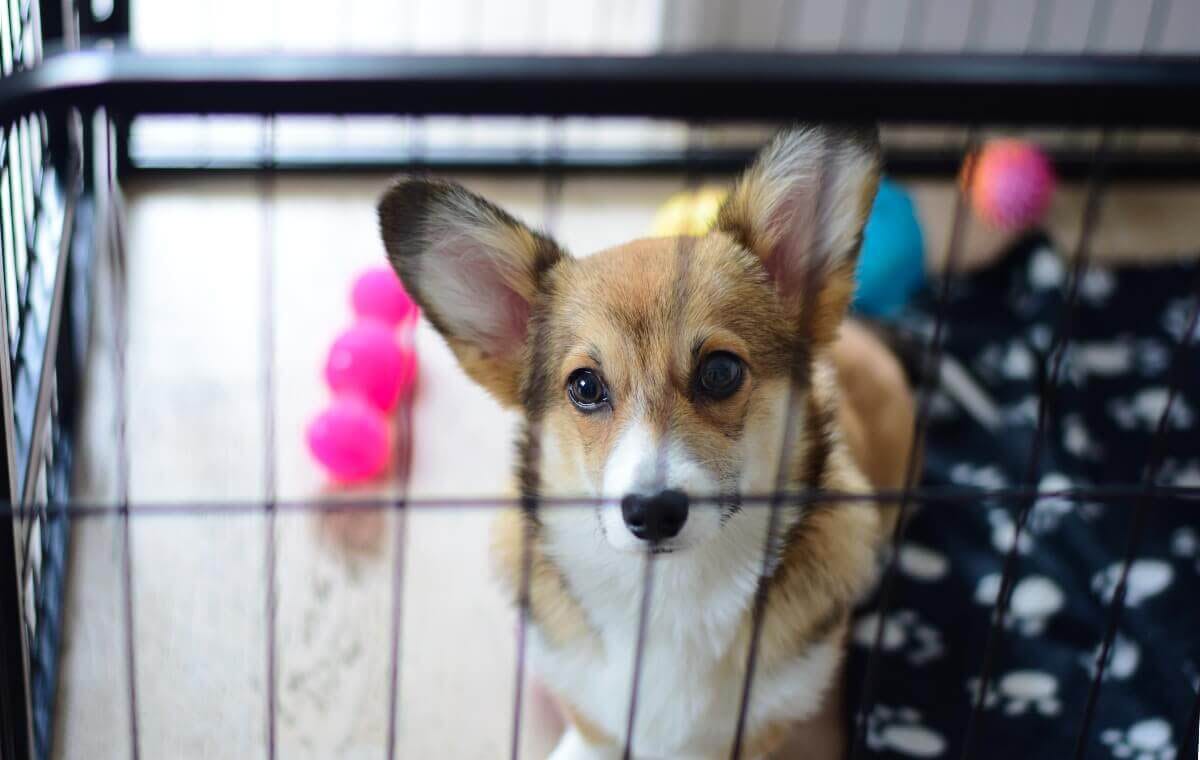
Line the crate with a soft bed or blanket. You can even add a t-shirt you’ve worn so your scent helps calm your pup.
Snuggle Puppy Heartbeat Toy – Mimics heartbeat and warmth for stress relief.
MidWest QuietTime Crate Mat – Plush, comfy, and washable.
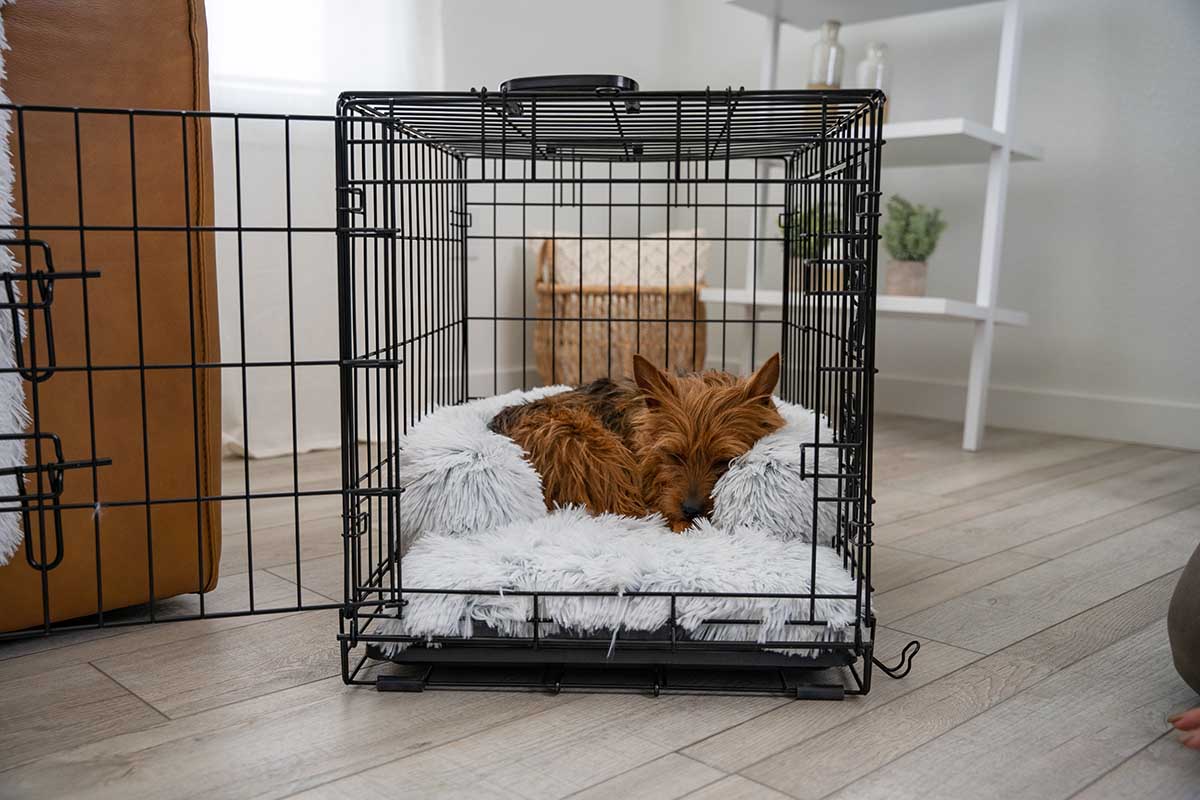
5. Create a Crate Training Schedule
Start with short sessions and gradually increase the time.
Sample timeline:
- First day: 5–10 minutes with treats and praise
- Day 2–3: Practice during mealtime and naps
- After 1 week: Begin short crate stays while you leave the room
Consistency = trust.
6. What If My Puppy Cries?
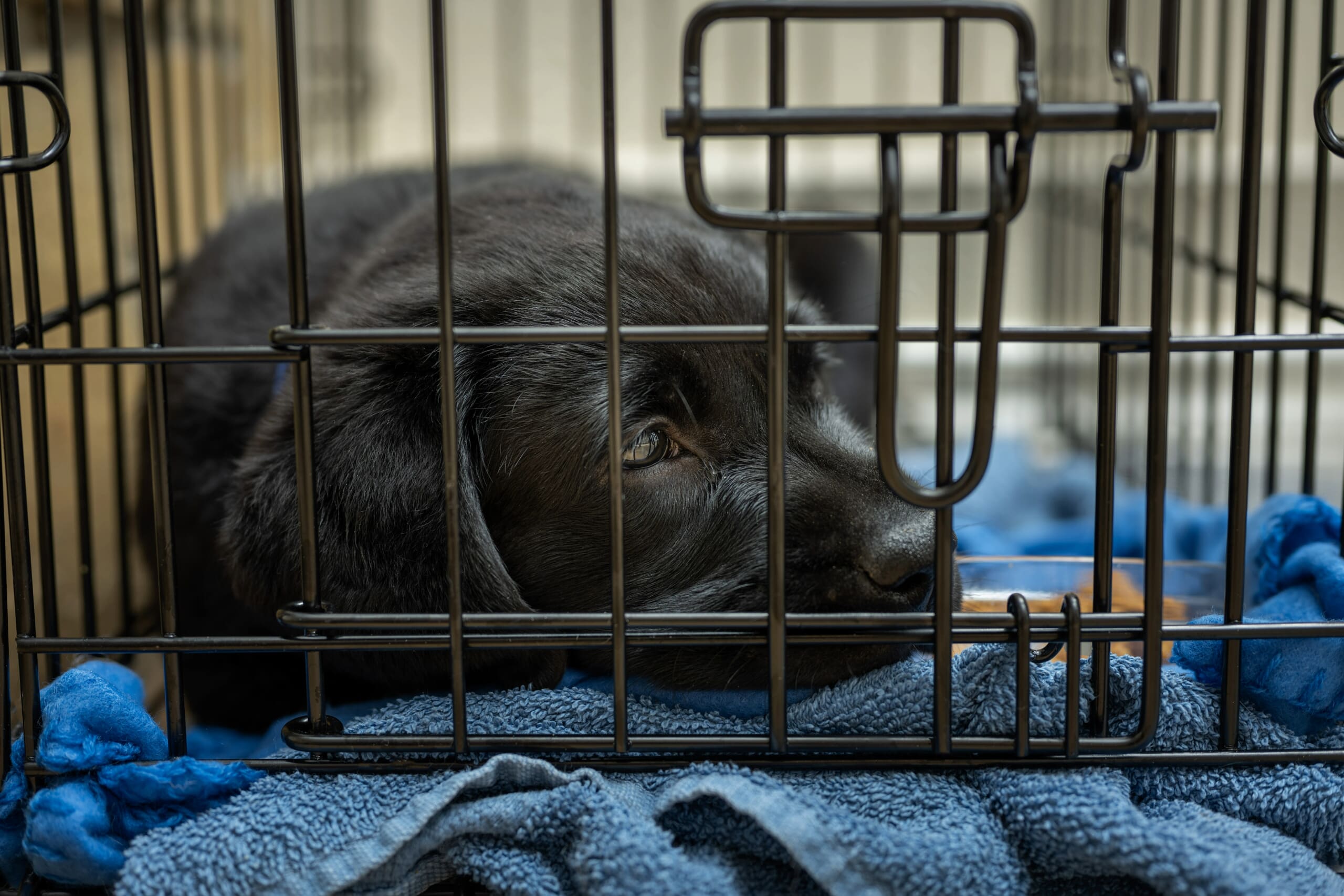
Puppy crying in the crate is normal at first, they’re adjusting. Don’t give in immediately. Comforting too soon can teach them that whining = reward.
Instead:
- Make sure all needs are met (potty, fed, exercised)
- Use a lick mat or toy to settle them
- Gradually extend your response time
Lickimat Soother – Spread soft treats like peanut butter to calm anxiety.
SmartPetLove Snuggle Puppy – Includes heat pack and heartbeat sound for comfort.
7. Common Mistakes to Avoid
- Using the crate only for punishment
- Leaving the puppy too long without breaks
- Expecting overnight success
- Inconsistency with routine and rules
- The crate is a tool, not a timeout box.
Final Thoughts
Crate training is not about locking your pup up. It’s about giving them structure, comfort, and a sense of security in a world that feels big and confusing.
With consistency, the right tools, and a sprinkle of patience, your puppy will come to love their crate — and you’ll get your sanity back in return.
Everyone wins.
Affiliate Disclosure
This post may contain affiliate links. That means we may earn a small commission if you purchase through one of these links, at no extra cost to you. We only recommend products we genuinely trust and believe will help pet parents like you. Thank you for supporting TameTales.com!